Setting up a TP-Link extender can dramatically improve your home or office Wi-Fi coverage, but sometimes accessing the extender’s login page can be challenging. If you’re facing issues with logging in to your TP-Link extender, you’re not alone. This blog will guide you through quick troubleshooting steps to resolve common access problems and get your Wi-Fi extender up and running in no time.
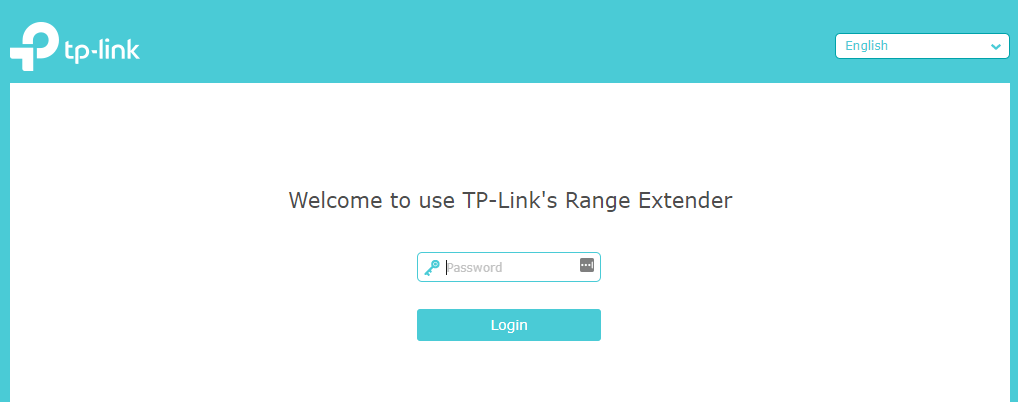
Why Can’t I Access the TP-Link Extender Login Page?
There are several reasons why you might be unable to access the TP-Link extender login page:
- Incorrect Web Address – Ensure you are entering the correct web address: tplinkrepeater.net or tplinkextender.net. Alternatively, you can try using the IP address 192.168.0.254.
- No Internet Connection – Your device may not be connected to the extender’s Wi-Fi network. Double-check your connection before trying to access the login page.
- Browser Cache Issues – Cached data in your web browser can prevent the login page from loading. Clearing the browser cache or using Incognito/Private mode can help.
- Wrong Credentials – If you’ve changed the default username and password but forgotten it, you may be unable to log in.
Now that we’ve identified the potential causes, let’s move on to fixing the problem.
Step-by-Step Troubleshooting Guide
1. Check Your Wi-Fi Connection
Make sure your device is connected to the TP-Link extender’s Wi-Fi network. This is important because if you’re connected to your main router instead of the extender, you won’t be able to access the login page. Check your network list and connect to the extender’s default SSID, which typically includes “TP-Link” in the name.
2. Use the Correct Web Address or IP
If you’re unable to access the extender’s login page using tplinkrepeater.net or tplinkextender.net, try using the default IP address, 192.168.0.254. Enter this address directly into your web browser’s address bar. If you still can’t log in, check your connection again and proceed to the next step.
3. Clear Browser Cache
Old or corrupted cache files can interfere with your ability to access the TP-Link extender login page. Clear your browser’s cache, cookies, and history, then try to log in again. Alternatively, you can open a new Incognito window in Chrome or Private mode in Firefox and attempt to access the login page from there.
4. Use a Different Browser or Device
Sometimes, the issue lies with the browser or device you’re using. If clearing the cache doesn’t work, switch to a different browser (e.g., if you’re using Chrome, try Firefox) or a different device, such as a smartphone or tablet, to see if you can access the login page.
5. Check for IP Conflicts
If your main router and TP-Link extender are using the same IP address, it can cause an IP conflict that prevents you from logging in. You can resolve this by manually assigning a different IP address to your extender. To do this:
- Connect your device to the extender.
- Open Command Prompt (Windows) or Terminal (Mac) and type ipconfig or ifconfig.
- Check if the IP address matches 192.168.0.254.
- Change the IP address of the extender through its settings if necessary.
6. Reset the TP-Link Extender
If none of the above solutions work, resetting your TP-Link extender might be the best option. Here’s how you can do it:
- Locate the reset button on your TP-Link extender (usually a small hole on the back).
- Press and hold the reset button with a paperclip or pin for about 10 seconds until the LED lights blink.
- After resetting, you can access the login page using the default IP address or web address.
- Re-enter the default login credentials (usually “admin” for both username and password).
7. Update Firmware
Outdated firmware can also lead to access issues. Once you’ve regained access to the TP-Link extender’s control panel, check for any available firmware updates. Navigate to the System Tools > Firmware Upgrade section and follow the on-screen instructions to download and install the latest firmware version.
Preventing Future Access Issues
To prevent login issues in the future, consider taking the following precautions:
- Change Default Credentials: After logging in for the first time, change the default username and password to something more secure. This will prevent unauthorized users from accessing your network.
- Bookmark the Login Page: Save the TP-Link extender’s login page URL in your browser for easier access next time.
- Assign a Static IP: Assigning a static IP to your TP-Link extender can help avoid IP conflicts in the future. This can usually be done in your router’s DHCP settings.
Conclusion
Troubleshooting TP-Link extender login issues doesn’t have to be a headache. By following these simple steps, you should be able to resolve most access problems quickly. Whether it’s clearing your browser cache, resetting the extender, or updating the firmware, these solutions will ensure you can easily log in and configure your extender.
If login issues persist despite these efforts, it may be time to consult TP-Link’s technical support or check for hardware issues. With the right setup, your TP-Link extender will continue to improve your Wi-Fi coverage, keeping you connected and online.
Call to Action
Still experiencing issues? Check out TP-Link’s official support page or leave a comment below for more personalized help with your TP-Link extender login!
 Expert Router and Extender Assistance & Technical Help | USA
Leave a comment